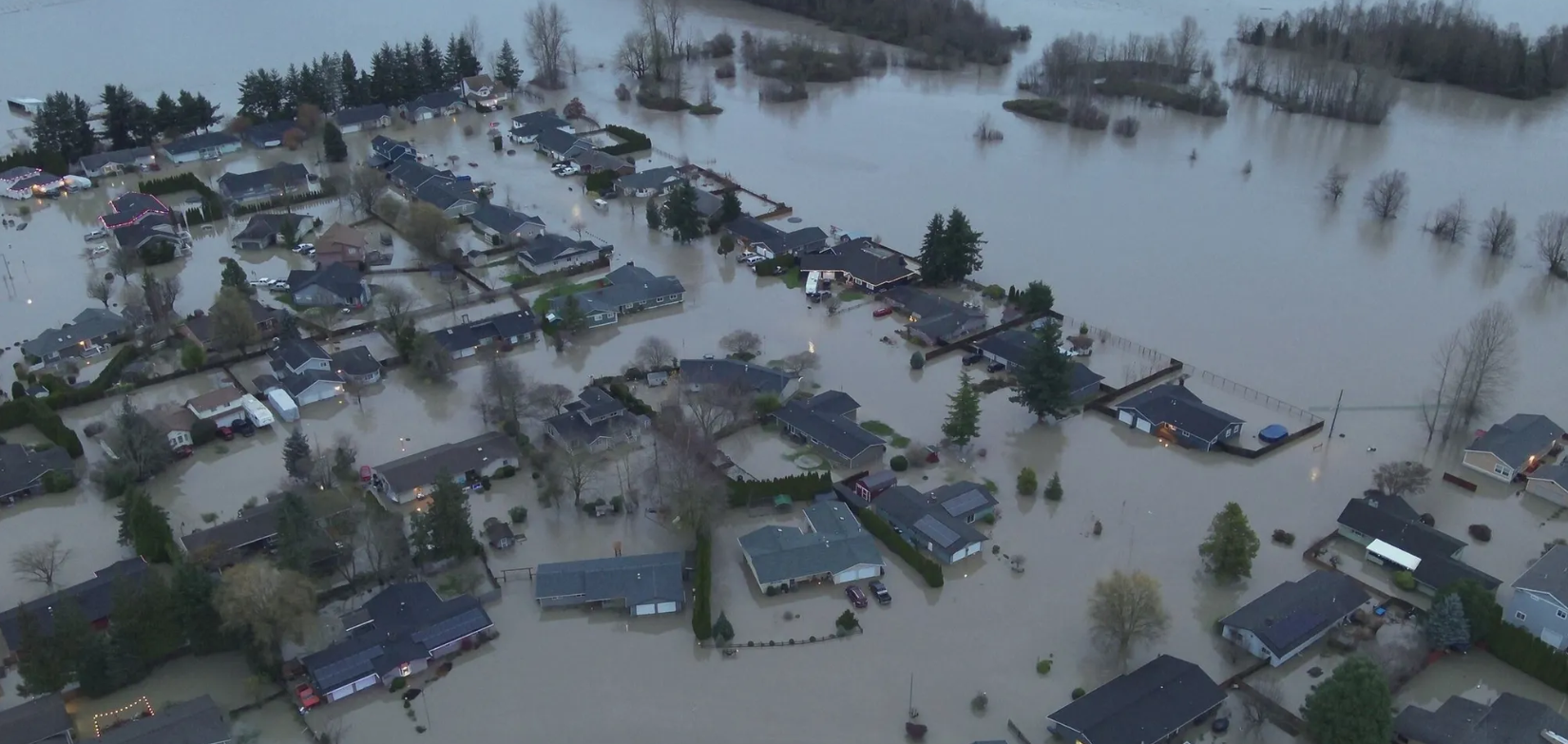

As someone who’s always had a soft spot for the quiet charm of Washington’s small towns, I’ve been keeping an eye on the Nooksack Valley. Nestled in Whatcom County, Everson and Nooksack are those classic Pacific Northwest gems, surrounded by lush farmland, towering mountains, and the ever-present Nooksack River. But lately, these communities have been making headlines not just for their scenic beauty, but for the challenges posed by increasingly frequent flooding. With the devastating floods of December 2025 still fresh in everyone’s minds, it’s clear that flood management and community resilience are emerging as hot topics. Drawing from recent news, local discussions, and market insights, let’s dive into what’s shaping the future of these towns, their flood resilience and rural revival with growing interest in how they’re adapting.
The Rising Tide: Flooding as a Defining Trend
If you’ve followed Northwest weather patterns, you know the Nooksack River isn’t one to be trifled with. The floods that hit Everson, Nooksack, and nearby Sumas in late 2025 were a stark reminder, forcing evacuations and causing widespread damage. Homes were surrounded by water, roads turned into rivers, and even a house was spotted floating downstream. This wasn’t a one-off; it echoed the catastrophic 2021 floods, which washed away parts of the community and highlighted long-standing vulnerabilities.
What’s emerging here is a trend toward proactive flood resilience. Local leaders are pushing for cross-border collaboration with British Columbia, since the Nooksack’s overflow often spills into Canada’s Sumas Prairie. There’s talk of dredging the river, a time-worn demand complicated by environmental concerns for salmon habitat, but no silver-bullet solution yet. Governor Bob Ferguson’s tour of the affected areas in December 2025 underscored the need for federal aid and better infrastructure, like dikes and mechanically stabilized earth walls.
Online discussions, especially on Reddit, show high community interest. Residents and potential movers are voicing pain points: flood insurance is tricky (many can’t get standard coverage), and there’s frustration over years of inaction on river management. One thread debates the merits of dredging, with locals from Everson and Nooksack weighing in on how it could prevent future disasters. Yet, despite the buzz in news and forums, in-depth content from thought leaders is sparse. Most coverage is reactive post-flood reports, leaving room for more predictive analyses on climate adaptation in rural areas.
Housing in the Floodplain: Balancing Risk and Opportunity
Hand-in-hand with flooding comes the housing crunch. Everson and Nooksack are seeing a cooling market after years of steep price hikes, with Whatcom County’s median home prices dipping in 2025. In Everson, average home prices dropped 20% year-over-year, while Nooksack saw a slight uptick but remains somewhat competitive. Inventory is tight, with homes lingering longer on the market, signaling a shift toward buyer’s advantage.
This trend ties directly to flood risks. New developments are weighing climate threats against housing needs, like elevating homes or rerouting utilities to avoid crawl spaces. Reddit users caution against buying in flood-prone spots like Everson or Sumas, but praise the area’s affordability compared to Bellingham. Pain points include confusion over building codes; should homes be on pilings like coastal Florida properties? This brings the emotional toll of repeated floods.
Looking ahead, real estate forecasts predict slow, steady growth in 2026, with lower mortgage rates drawing more buyers to rural spots. Thought-leader blogs emphasize evolution over decline, suggesting opportunities for sustainable builds that incorporate flood-resilient designs. Audience interest is high. Searches and discussions spike post-flood. But creator content is mostly market reports, not visionary pieces on resilient communities.
Community Vibes: From Farmland to Future-Proofing
Beyond the headlines, Everson and Nooksack embody rural revival. Described as quiet havens with small-town charm, they’re attracting folks seeking lower prices and nature access. Reddit threads reveal confusion about daily life; what do people do in Everson? With responses highlighting farming roots, outdoor activities, and proximity to Mt. Baker. Companies aren’t a big focus; it’s more about local makers, like Airbnb workshops for handcrafted goods.
Predicted trends from regional blogs point to eco-tourism and agrotourism growth, leveraging the valley’s berry farms and scenic rivers. But the real untapped angle? How these towns are pioneering community-driven resilience includes local sediment modeling for flood corridors or incentives for elevated homes. Interest is evident in real-time data shares, like rainfall rankings showing 2025 as the sixth-wettest on record. Yet, few creators are saturating this space with forward-looking content, making it ripe for deeper exploration.
Looking Forward: Opportunities Amid the Challenges
As we head into 2026, Everson and Nooksack stand at a crossroads. The floods have spotlighted the need for innovative solutions, from international partnerships to smart development. While housing cools, it opens doors for buyers prioritizing resilience like “flood-proof” tiny homes or community flood funds. If you’re in George, WA, or anywhere eyeing a Northwest move, these towns offer lessons in adaptation that could inspire broader rural strategies.
In the end, what draws people here isn’t just the affordability or views, it’s the grit of communities banding together. As one local put it on social media, it’s about planting seeds for growth amid the storms. If trends hold, watch for more focus on sustainable living in flood zones. What’s your take on Flood Resilience and Rural Revival in the Nooksack Valley? Comment below to share your thoughts.


